
ChinaTravelPlus | Premier China Inbound Travel & Private Tours

China Expands 240-Hour Visa-Free Transit Policy: A Game Changer for Inbound Tourism

🍜 July 17, 2026 · By Sam

"China Expands 240-Hour Visa-Free Transit Policy: A Game Changer for Inbound Tourism"

China's inbound tourism landscape has undergone a significant transformation with the expanded 240-hour visa-free transit policy. Effective since late 2024, this policy extension—from the previous 72 and 144 hours—now allows eligible foreign travelers to stay in China for up to 10 days without obtaining a visa, provided they are in transit to a third country or region.

Policy Expansion Details

The National Immigration Administration announced that starting from December 17, 2024, the permitted stay duration for visa-free transit foreigners in China has been extended from 72 and 144 hours to 240 hours (10 days). This expansion also includes:

  • 21 new entry/exit ports added as designated ports for visa-free transit travelers
  • Expanded stay areas covering more cities and provinces
  • Streamlined procedures at major international airports and land border crossings

The policy now applies to travelers from 54 countries who hold valid international travel documents and connecting tickets to a third country or region within 240 hours.

Impact on Inbound Tourism

The data speaks for itself. According to the National Immigration Administration, in 2024, immigration authorities nationwide handled 610 million border crossings, representing a year-on-year increase of 41.3%. Notably:

  • 20.12 million inbound trips were made visa-free, a surge of 112.3%
  • 37 ports now implement the 144-hour (now 240-hour) visa-free transit policy
  • Major cities like Beijing, Shanghai, and Guangzhou have seen substantial increases in transit passengers

Beijing Immigration Inspection alone processed 3.37 million visa-free transit passengers in the first half of 2025, representing a 7.24-fold increase compared to the previous year.

Destinations Now Accessible

The expanded policy allows visa-free transit travelers to move freely within designated provinces and cities, including:

  • Beijing, Tianjin, and Hebei Province (integrated region)
  • Shanghai, Jiangsu Province, and Zhejiang Province (Yangtze River Delta)
  • Guangdong Province (including Guangzhou, Shenzhen, Zhuhai)
  • Liaoning Province (Dalian, Shenyang)
  • Shandong Province (Qingdao)
  • Chongqing Municipality
  • Shaanxi Province (Xi'an)
  • Fujian Province (Xiamen)

This geographical expansion enables travelers to experience diverse cultures, cuisines, and landscapes—from the Great Wall to the water towns of Jiangnan, from Cantonese dim sum to Sichuan hot pot.

Practical Information for Travelers

Eligibility Criteria

To benefit from the 240-hour visa-free transit policy, travelers must:

  1. Hold passports or international travel documents from one of the 54 eligible countries
  2. Possess a valid connecting ticket to a third country or region (Hong Kong, Macau, or Taiwan count as "third regions")
  3. Enter and exit through designated ports
  4. Stay within the permitted administrative regions

Application Process

The process is straightforward:

  1. Before departure: Ensure your itinerary includes China as a transit point to a third destination
  2. Upon arrival: Complete an arrival card and proceed to the dedicated visa-free transit counter
  3. Immigration review: Present your passport, onward ticket, and completed arrival card
  4. Receive temporary entry permit: Valid for up to 240 hours (10 days)
  5. During stay: Travel freely within the designated region

Recommended Itineraries

With 240 hours (10 days), travelers can craft immersive experiences:

7-Day Beijing-Tianjin-Hebei Circuit

  • Days 1-3: Beijing (Great Wall, Forbidden City, Hutong tours)
  • Day 4: Travel to Tianjin (colonial architecture, Haihe River)
  • Days 5-7: Hebei exploration (Chengde Mountain Resort, Shanhaiguan Great Wall)

10-Day Yangtze River Delta Experience

  • Days 1-3: Shanghai (Bund, Yu Garden, modern skyline)
  • Days 4-5: Suzhou (classical gardens, water towns)
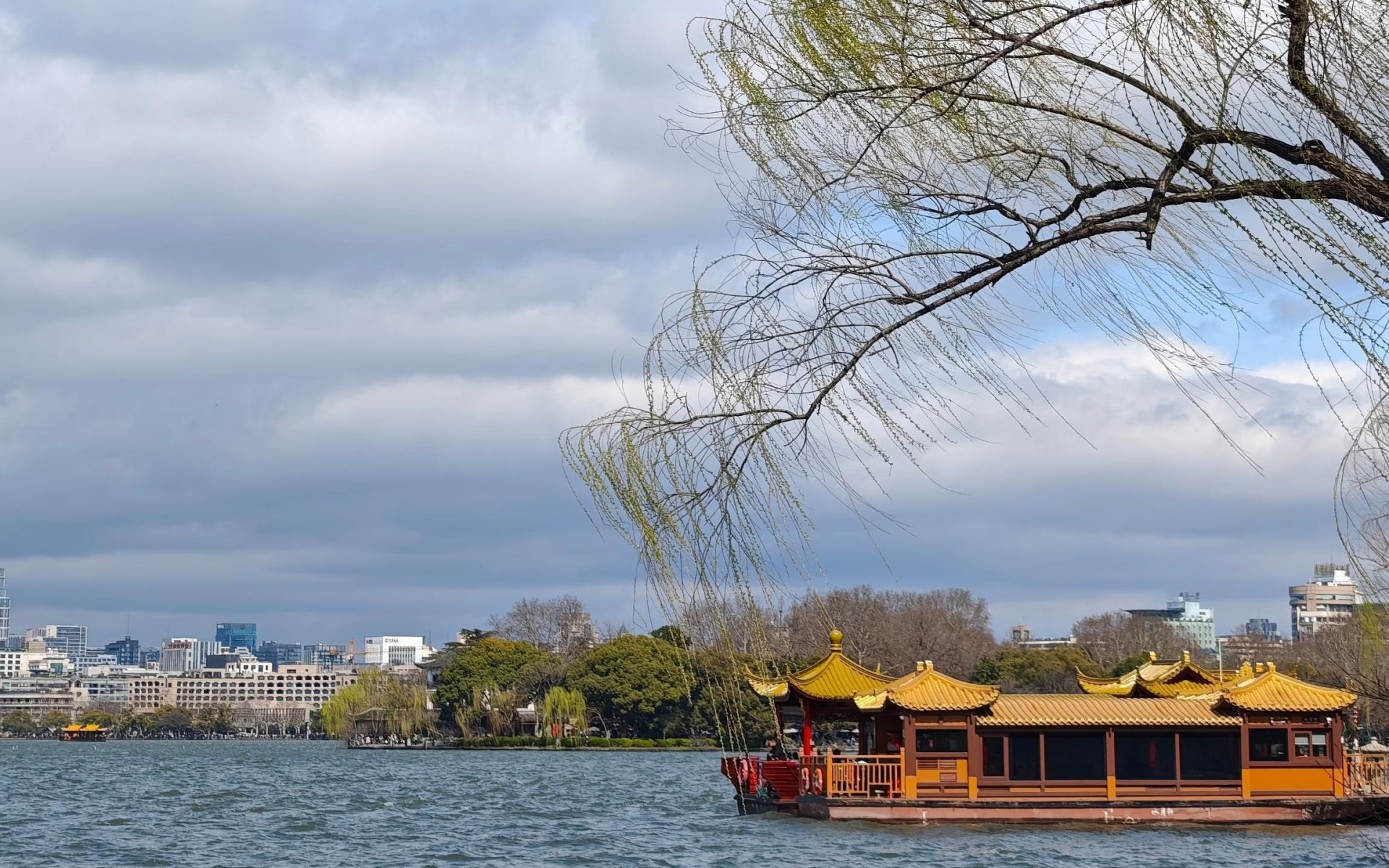
  • Days 6-7: Hangzhou (West Lake, Lingyin Temple)
  • Days 8-10: Nanjing and surrounding areas (historical sites, cuisine)

Guangdong Cultural Deep Dive

  • Days 1-4: Guangzhou (Canton Tower, Chen Clan Academy, dim sum tours)
  • Days 5-7: Shenzhen (modern architecture, tech parks)
  • Days 8-10: Zhuhai and Macau day trip (coastal scenery, cultural fusion)

Travel Industry Response

Tourism enterprises have rapidly adjusted their product offerings to capitalize on the policy expansion. Many now provide:

  • "China Transit Plus" packages designed specifically for 240-hour stays
  • Multi-city itineraries that maximize the expanded geographical scope
  • Cultural immersion experiences targeting transit passengers seeking authentic local interactions
  • Business-to-business services for companies with employees in transit

ChinaTravelPlus has developed specialized transit tour products that transform layovers into memorable China experiences, featuring private guides, luxury transportation, and curated cultural activities.

Future Outlook

The visa-free transit policy expansion aligns with China's broader strategy to revitalize inbound tourism and position itself as a premier global travel destination. Industry experts anticipate:

  • Further port expansions in 2026-2027
  • Digital facilitation measures (potentially including online pre-clearance)
  • Increased flight connectivity as airlines add routes to capitalize on transit traffic
  • Infrastructure improvements at smaller cities within the permitted regions

For international travelers, the message is clear: China has never been more accessible for meaningful, multi-day visits without the hassle of visa applications.

Contact Sam for Customized Tours

Contact Luppy for Group Bookings

https://www.chinatravelplus.com

Read More
ChinaTravelPlus | Premier China Inbound Travel & Private Tours

China Extends Russia Visa-Free Policy to 2027 and Expands 240-Hour Transit Coverage

🍜 July 17, 2026 · By Sam

"China Extends Russia Visa-Free Policy to 2027 and Expands 240-Hour Transit Coverage"

On May 20, 2026, China's Foreign Ministry spokesperson Guo Jiakun announced a major policy update: China will extend its visa-free policy for Russian ordinary passport holders through December 31, 2027. This builds on the significant momentum of inbound tourism growth, with over 310,000 Russian travelers having already entered China through Shanghai ports alone since the policy was first implemented.

Dual Policy Drive: Visa-Free Extension and Transit Expansion

The announcement came against the backdrop of a broader nationwide push to make China one of the world's most accessible destinations. According to the National Immigration Administration, China now offers unilateral visa-free entry to 50 countries. The 240-hour (10-day) visa-free transit policy, meanwhile, now covers 60 ports across 24 provincial-level regions, allowing citizens from 55 countries to enter China without a visa when transiting onward to a third country or region.

PolicyCoverageEffective ThroughEligible Activities
Russia Visa-FreeRussian ordinary passport holdersDec 31, 2027Business, tourism, family visits, transit (≤30 days)
240-Hour Transit Visa-FreeCitizens of 55 countriesOngoing (regularly reviewed)Transit to third country/region (≤240 hours, 10 days)
Unilateral Visa-Free (Other 48 countries)Designated countriesDec 31, 2026Tourism, business, transit (≤30 days)
Brunei Visa-FreeBrunei ordinary passport holdersNo fixed expirationTourism, business, transit

Russian Inbound Surge: The Data Behind the Policy

The extension is not merely symbolic. Since the Russia visa-free policy took effect, the numbers tell a compelling story. Over 310,000 Russian travelers have entered China through Shanghai ports alone. Nationally, Russian inbound visits in the first quarter of 2026 increased by 120.1% year-on-year, making Russia one of the top ten inbound source countries.

Russian tourists are no longer limiting themselves to border cities. Destination choices have expanded from traditional border areas to inland cultural hubs including Chongqing, Zhangjiajie, and Chengdu — the top three fastest-growing destinations for Russian visitors. This geographic diversification aligns with the broader trend of "depth over breadth" in China's inbound tourism market.

240-Hour Transit: From 144 to 240, and Still Expanding

The 240-hour visa-free transit policy is a cornerstone of China's inbound tourism strategy. First expanded from 144 hours (6 days) to 240 hours (10 days) in December 2024, it has since been rolled out to 60 entry ports covering 24 province-level regions. Travelers can arrive at any of these ports and stay within designated areas for up to 10 days without obtaining a Chinese visa in advance, provided they hold confirmed onward tickets to a third country or region.

Shanghai has emerged as the flagship entry point. Shanghai Border Inspection Authority has set up dedicated channels for 240-hour visa-free transit passengers at both Pudong International Airport and Hongqiao International Airport, as well as Shanghai Port (Passenger Terminal). International visitors entering through Shanghai can also travel to 23 other provincial-level regions beyond Shanghai proper, making it possible to design multi-city China itineraries without a visa.

Why This Matters for International Travelers

For travelers from the 55 eligible countries, the 240-hour policy effectively turns China into a visa-free stopover destination. A traveler flying from New York to Tokyo can now add a 10-day China exploration — Beijing, Xi'an, Shanghai, Guilin — without any visa application, as long as the itinerary includes China as a transit point. This has transformed China's aviation and tourism landscape, with airlines reporting double-digit growth in transit traffic through Chinese hubs.

For Russian citizens, the policy extension to 2027 removes planning uncertainty and allows for multi-entry travel throughout the two-and-a-half-year window. Russian travelers interviewed at Shanghai Pudong International Airport expressed excitement about the extended window, citing China's "rich historical civilization" and the warmth of China-Russia relations as key motivators.

Broader Context: China's "Visa-Free Circle" Keeps Growing

The Russia extension is part of a wider pattern. In recent months, China has:

  • Signed visa-free agreements with more countries in Southeast Asia, Central Asia, and Africa
  • Extended unilateral visa-free policies for 48 countries through the end of 2026
  • Launched the "Hello! China" inbound tourism partnership program with UnionPay International and China Travel Service
  • Upgraded payment facilitation for foreign visitors, with transaction volume during the 2026 May Day holiday up 45.15% year-on-year

Brazil also joined the visa-free roster in May 2026, with Brazilian ordinary passport holders eligible for visa-free entry to China starting May 11, 2026, for stays of up to 30 days.

Practical Information for Travelers

For Russian citizens: Ordinary passport holders do not need a visa for stays up to 30 days for tourism, business, family visits, exchanges, or transit. The policy is valid through December 31, 2027. Ensure your passport has at least 6 months validity.

For 240-hour transit eligible travelers: You must hold a valid passport, a confirmed onward ticket to a third country or region (different from your departure country), and arrive at one of the 60 designated ports. You may not work or study during the 240-hour stay. The permitted stay areas are clearly marked and available on the National Immigration Administration website.

Entry ports with 240-hour transit visa-free access include major international airports in Beijing, Shanghai, Guangzhou, Shenzhen, Chengdu, Xi'an, Kunming, and others, as well as selected seaports and land border crossings.

Contact Sam for Customized Tours

Contact Luppy for Group Bookings

https://www.chinatravelplus.com

More Than Travel. It's the Plus That Matters.

Read More
ChinaTravelPlus | Premier China Inbound Travel & Private Tours

China Extends Visa-Free Entry for Russian Citizens Through December 2027

🍜 July 17, 2026 · By Sam

"China Extends Visa-Free Entry for Russian Citizens Through December 2027"

China has officially extended its unilateral visa-free entry policy for Russian citizens through December 31, 2027, marking a significant step in deepening bilateral travel facilitation between the two nations. The announcement came during Russian President Vladimir Putin's state visit to China on May 20, 2026, and was confirmed by Foreign Ministry Spokesperson Guo Jiakun at the regular press conference.

Under the extended policy, Russian ordinary passport holders can enter China without a visa and stay for up to 30 days per visit. The visa-free entry covers purposes including tourism, business visits, family and friend visits, cultural exchanges, and transit. The extension builds on China's broader strategy of expanding unilateral visa-free access to boost inbound tourism and facilitate international people-to-people exchanges.

What Changes for Russian Travelers

The key update is the extension of the policy's validity period. While the visa-free mechanism for Russian citizens was already in place, the new extension provides certainty and planning confidence through the end of 2027 — a full year and a half beyond the previous deadline. This gives travel agencies, airlines, and individual travelers ample time to plan itineraries and make bookings without concern about sudden policy shifts.

DetailSpecification
Eligible passportRussian ordinary passport
Maximum stay30 days per entry
Valid throughDecember 31, 2027
Covered purposesTourism, business, visiting family/friends, cultural exchange, transit
Entry methodDirect visa-free entry at designated ports

China's Expanding Visa-Free Landscape

Russia is one of many countries benefiting from China's aggressive visa liberalization push. According to data released by China's National Immigration Administration, visa-free entries by foreign nationals reached 831.5 million person-times in Q1 2026 alone, a 29.3% year-on-year increase. The country now offers unilateral visa-free access to over 40 nations, and reciprocal arrangements with countries like Brazil — which implemented visa-free entry for Chinese citizens on May 11, 2026 — continue to expand the network.

During the May Day holiday in 2026, border inspection authorities processed 11.279 million cross-border passenger movements, including 1.255 million foreign nationals entering and exiting China — a 12.5% increase from the previous year. Among inbound foreigners, 436,000 utilized visa-free policies, up 14.7% year-on-year.

Practical Guidance for Russian Visitors

For Russian citizens planning a trip to China under the visa-free policy, here are key points to keep in mind:

  • Passport validity: Your ordinary passport must be valid for at least the duration of your intended stay
  • Purpose alignment: Ensure your visit falls within the five permitted categories — tourism, business, visiting, exchange, or transit
  • Registration: Hotel check-in automatically registers your stay with local authorities; if staying with friends or in private accommodation, register at the local police station within 24 hours
  • Extension: The 30-day limit cannot be extended within China under visa-free entry; if a longer stay is needed, apply for an appropriate visa before traveling
  • Return ticket: While not always checked, having a return or onward ticket is recommended as proof of intended departure

The Bigger Picture: Sino-Russian Travel Growth

The visa extension aligns with the broader trend of growing travel between China and Russia. Under the strategic guidance of both nations' leadership, Sino-Russian relations have maintained a high level of operation, with people-to-people exchanges forming a key pillar. Cross-border tourism between the two countries has seen steady growth, with border cities like Heihe, Suifenhe, and Manzhouli serving as vital gateways.

The extension also comes at a time when China's inbound tourism market is experiencing a structural transformation. Foreign visitors are no longer limiting themselves to Beijing, Shanghai, and Guangzhou — they are venturing into second- and third-tier cities, and even rural counties, seeking more authentic and immersive experiences. For Russian travelers in particular, this opens up destinations like Harbin's ice festival, Inner Mongolia's grasslands, and the northeastern border regions that share cultural and historical ties with Russia.

Contact Sam for Customized Tours

Contact Luppy for Group Bookings

https://www.chinatravelplus.com

Read More